
Coolcation is the travel trend of picking your destination based on lower temperatures, not in spite of them. Per CNBC's 2025 coolcation analysis, search interest for "cooler weather destinations" grew 300% year over year, and 42% of travellers in a Booking.com survey said they now actively prefer a cooler climate trip over a warmer one. Nordic-specific searches grew 263%. The trend isn't a contrarian niche. It's mainstream.
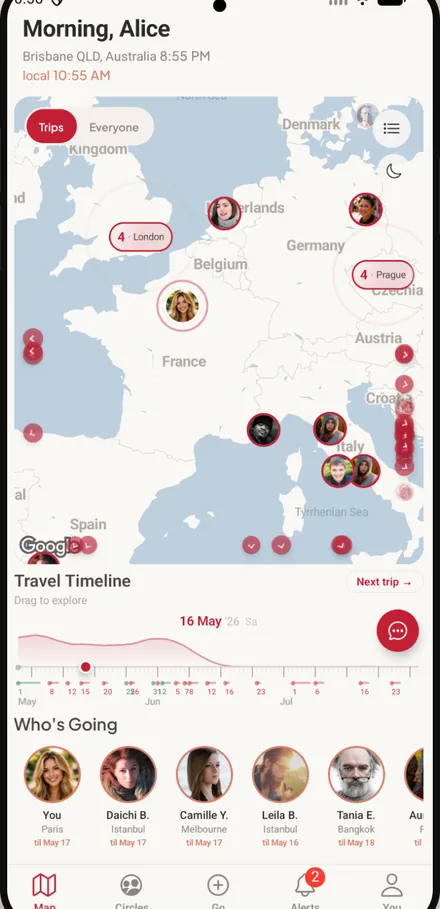
Noovo, the social trip-planning app for friends, doesn't have a weather feature, but the coolcation lives in Start with Where territory: pick the destination (Reykjavik, Tromsø, Edinburgh), pull in the friends and dates, and let the trip form. The cool destinations are the ones with the most upside in 2026, and the easiest to coordinate because their peak season is everyone else's shoulder season.
Sizing the trend
The market response has been fast. Per 2025 Nordic tourism board data, foreign overnight stays in Norway grew 22% year over year, and Sweden grew 11%. Northern Finland (Lapland and the Tromsø-equivalent regions) is having its biggest non-Christmas tourism season ever. Iceland, already at peak occupancy in summer 2024, expanded shoulder-season capacity by adding new direct flights from six US cities.
The driver isn't subtle. Per a 2025 Protect Group survey, 79% of travellers said extreme weather had directly impacted at least one of their trips in the past three years. Cancellations from heat waves, wildfire smoke closing parks, hotels without working AC. The coolcation is partly a hedge against the standard summer trip going wrong.
What "cooler" means in 2026
The destinations doing the heavy lifting:
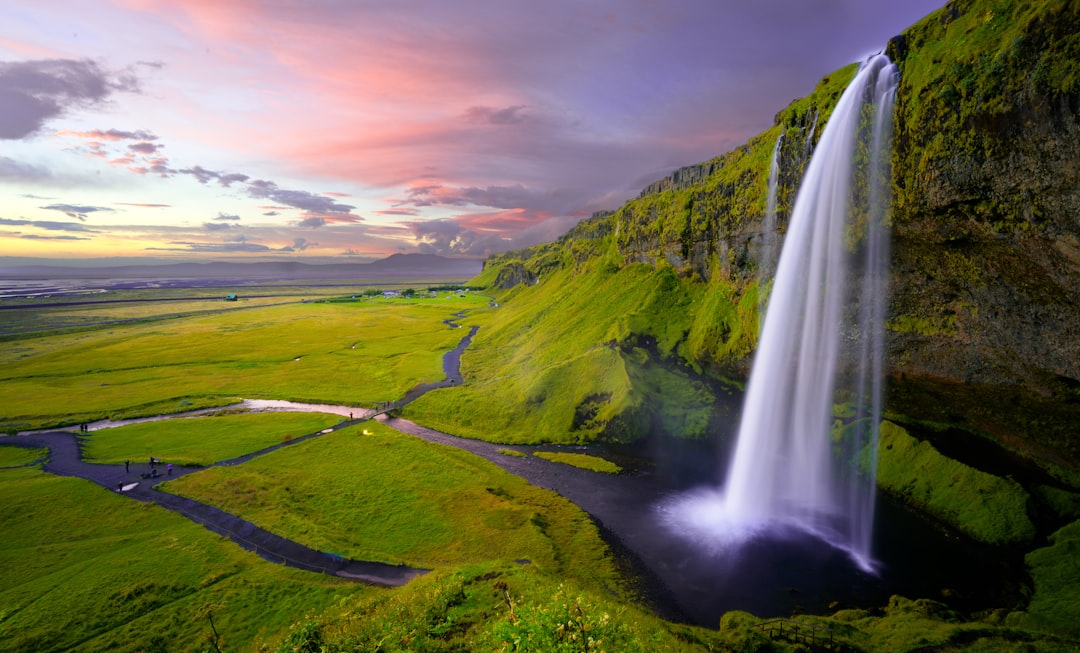
- Iceland. Summer highs around 13°C. Long days, dramatic landscapes, no mosquitoes. The set-piece.
- Norway, west coast. Fjord trips from Bergen, summer temperatures 15-18°C. The Norway-in-a-Nutshell rail+ferry route is the most-booked single itinerary.
- Scotland, Highlands and Isle of Skye. 14-16°C summer, easy from continental Europe, the cheapest of the genuinely-cool destinations.
- Finland, Lapland in summer. Counter-seasonal Lapland: no snow, midnight sun, lake swimming at 19°C water. Underbooked relative to its peers.
- New Zealand, in their summer (December-February). South Island specifically. The southern-hemisphere coolcation.
- Patagonia, also southern summer. 12-18°C, low humidity, the apex of dramatic landscape.
Why coolcations work for groups specifically
The classic group-summer trip is southern Europe. Sicily, Mallorca, the Greek islands. Beautiful, and increasingly difficult, because 38°C with four friends in a small apartment with weak AC is not a trip anyone enjoys. The coolcation inverts the constraint. Now the weather is comfortable, the daylight is long, and the activities (hiking, kayaking, food halls, museums) are group-friendly in a way that "we're all on the beach for the seventh consecutive afternoon" isn't.
The other quiet advantage: coolcation destinations are usually less photographed-out. The Instagram density is lower. Groups bond differently in places where the trip isn't pre-curated by a thousand previous influencer posts.
Pitching the coolcation to a group that wanted Spain
Here's the friction. The group's default summer trip is the warm one. Coolcation is the better trip and the harder sell. The pitch that works isn't "let's go to Iceland instead of Mallorca." It's "let's do Mallorca next year and Iceland this year, while the weather is still bearable there." Frame it as variety, not opposition.
The other lever: cost. Iceland is famously expensive, but per-day costs in Norway, Scotland, and Finland-in-summer are roughly equivalent to Mediterranean peak season. The price difference between a cool trip and a warm trip is smaller than the group assumes.
Weather as a planning input
The coolcation is, at its core, a planning shift from "where do we want to go" to "where will the weather actually be good." This is a more interesting question than it sounds. The answer changes year over year, region by region, in ways the standard travel articles don't track. A friend group that talks about weather forecasts during planning, not just destinations, picks better trips on average.
The trip you took to escape the heat is the trip you'll remember. Pick the destination, claim the week, send the invite.